Water droplets run down the car window. Shivering in the wind, they race each other. Some merge and then continue together. I run my finger along the tip of the little streams and try to influence their path through the window with my warmth. I am five years old. Every journey feels long.
The beauty of the sound the rain makes on my roof window is endless. I lie in bed and look at the sky, whose gray is so blurred that it offers no point of reference for the eye. My girlfriend lies next to me. The comfort of the rain brings some calm between nervous uncertainty and excited anticipation. I am 16 years old. Little happens, nothing is missing.
From the fifth floor of the building, I can see the opposite facade of a brick street in Hamburg Ottensen. It always rains here, and whenever it rains, someone down below gets soaked. Everyone here is always soaked, and in the evening they wash away the water in a small pub with beer and cigarettes, only to walk back to their caves through the rain. I'm in my early 20s, and the city feels very big to me.
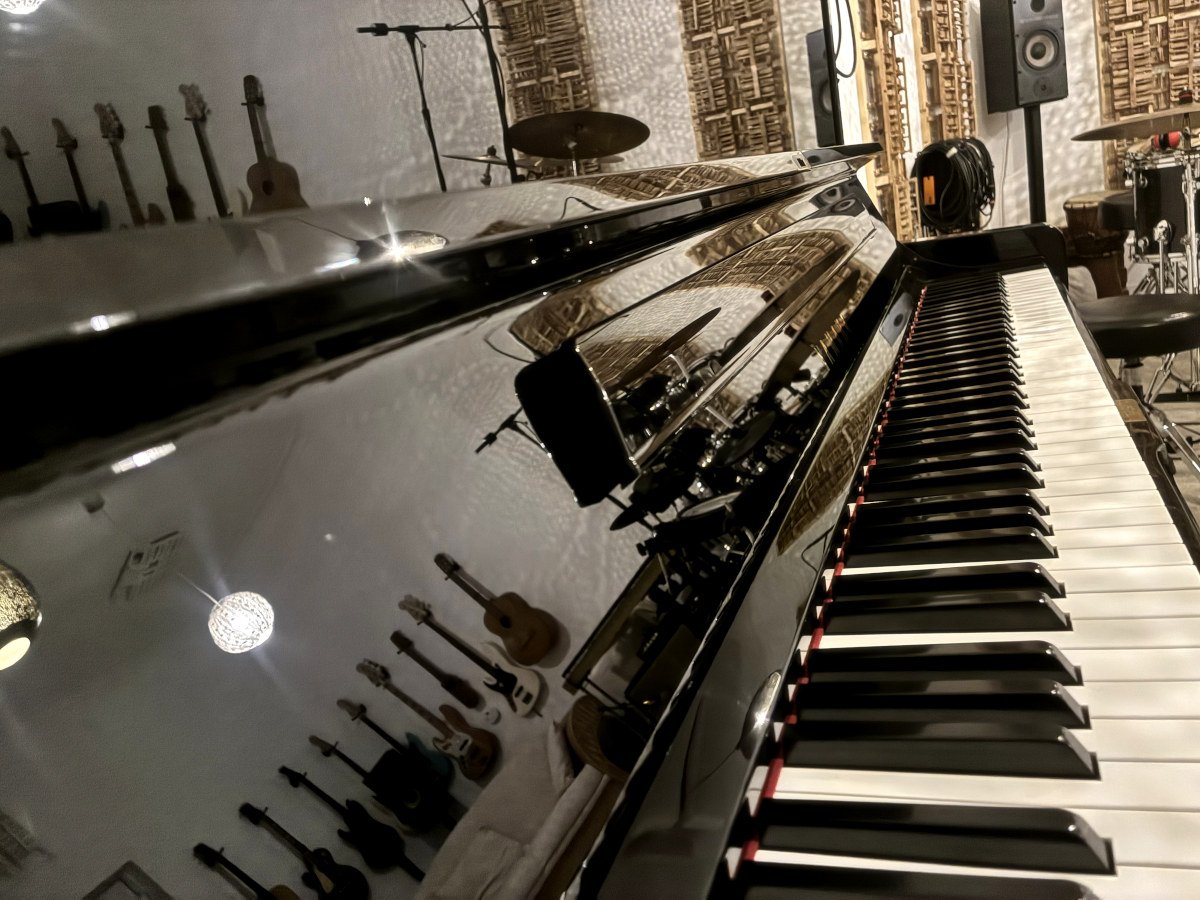
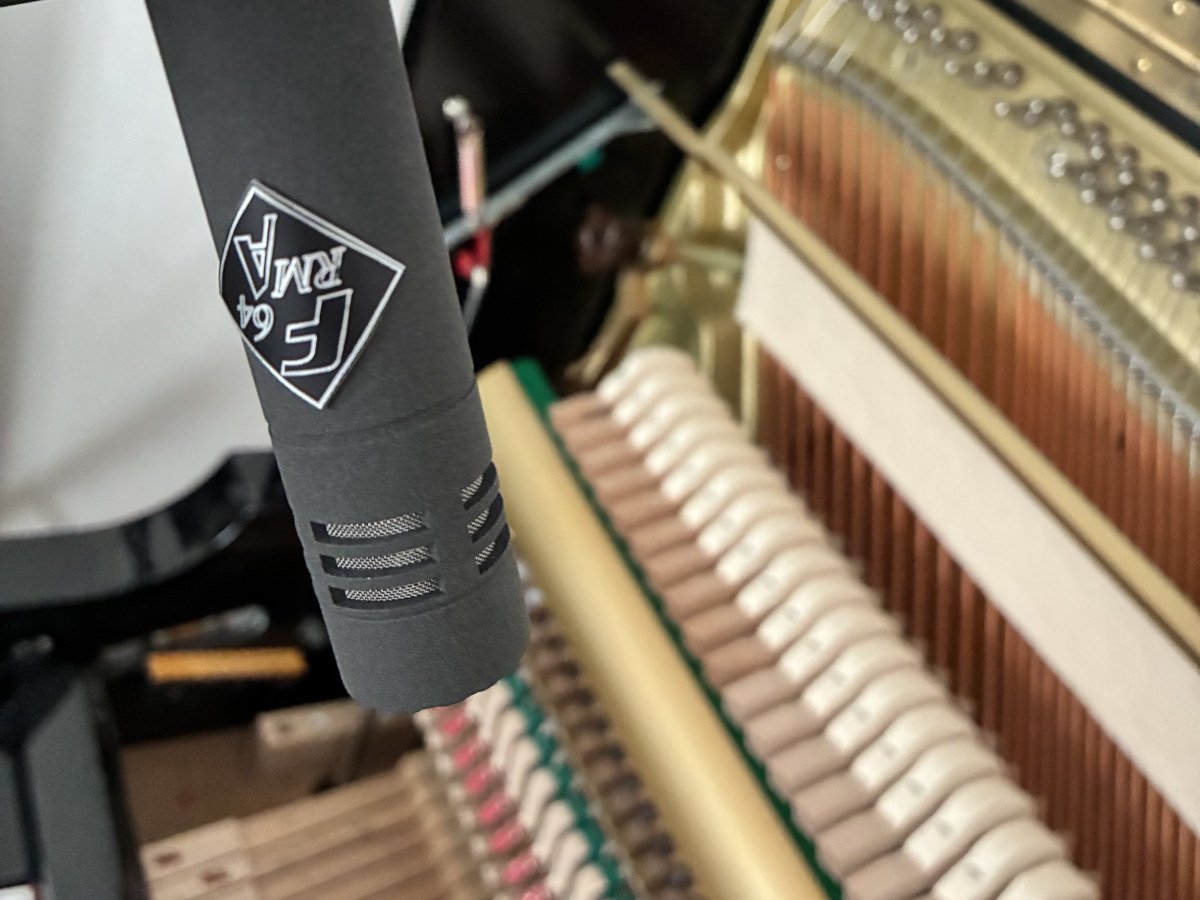
Two friends have built themselves a small wooden house overlooking a valley. Through the window, I watch the rain fall in slow motion on the forest and meadows. I am in my mid-forties, and my life requires a lot of energy. That's why I stand for a long time. A few days later, I spontaneously record an improvisation on the piano, an instrument that has always remained foreign and intangible to me, but I am delighted with the sound. As I do so, I think back to my friend's house. In the weeks that follow, I sit down at the piano here and there. And the melancholy that has always accompanied me takes on a quiet beauty.
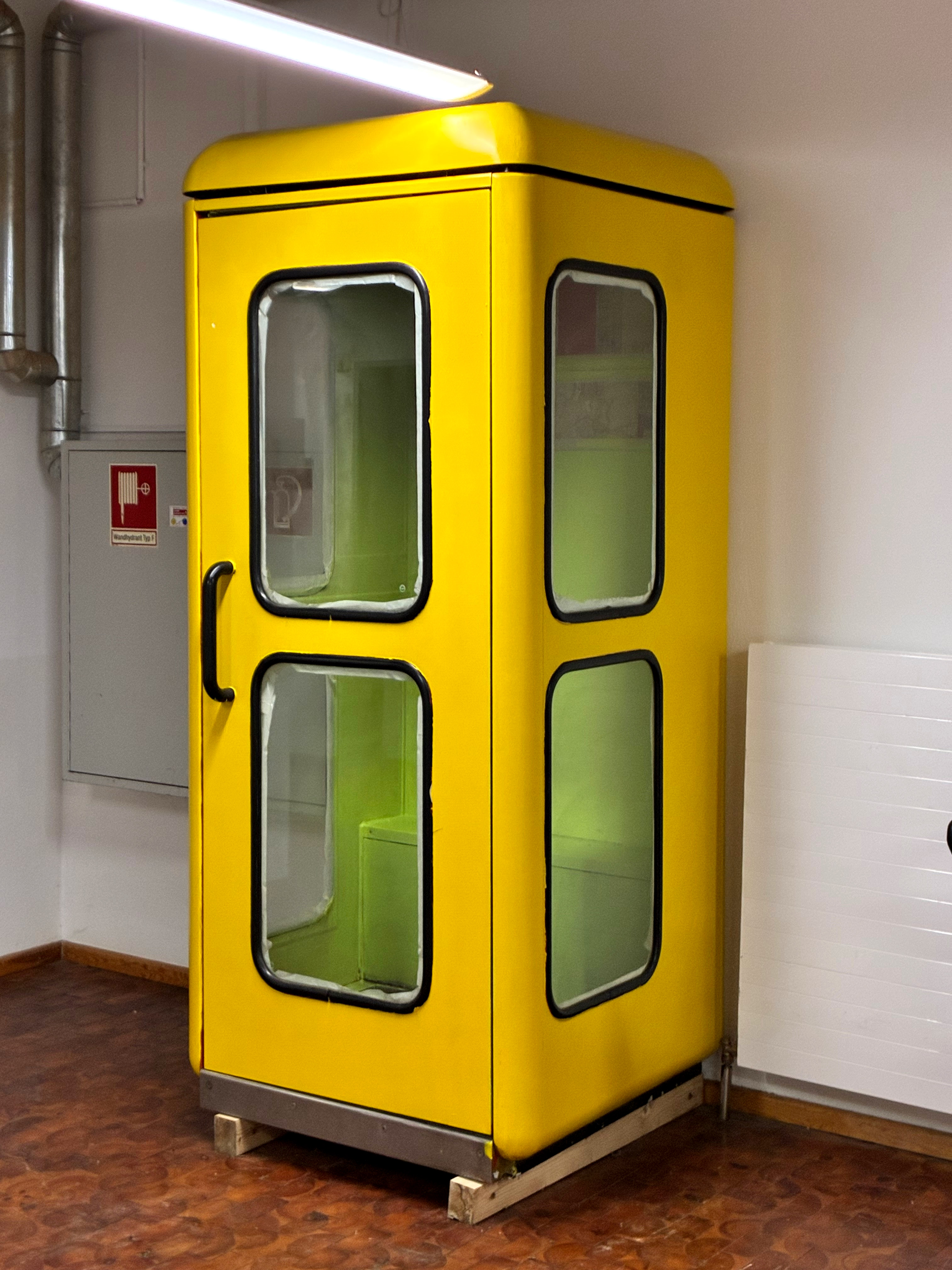
Meditations-Telefonzelle
Forschungsprojekt JLU Gießen
Derzeit in Planung: Ein Forschungsprojekt zur digitalen Musiktherapie an der JLU Gießen und der Gießener Vitos-Klinik für forensische Psychiatrie mit der Frage: Können elektronische Klangmedien Patient:innen als effektive Entspannungsmittel dienen? Welche Klänge sind dabei besonders effektiv?
In einer Telefonzelle können Patient:innen ihre eigene Entspannungsmusik gestalten und hören. Aus einem etwa achtstündigen Klangfundus lassen sich über einen Controller jeweils unterschiedliche Kombinationen aus 1. Melodien 2. Harmonien 3. Naturgeräuschen 4. Soundeffekten erstellen. In jeder dieser vier Gruppen gibt es einen Vorrat von 10 wählbaren 10-20-minütigen Klängen. Spuren können auch stummgeschaltet werden.
So wäre beispielsweise eine Kombination aus 1. Melodie Klavier, 2. Harmonie Hackbrett, 3. Geräusch Plätschernder Bach und 4. Glöckchen hörbar. Alternativ könnte man eine Kombination aus 1. Melodie Analog-Synthesizer, 2. Harmonie Gestrichene Gitarre 3. Bauernhof-Atmosphäre 4. [stummgeschaltet] einstellen.
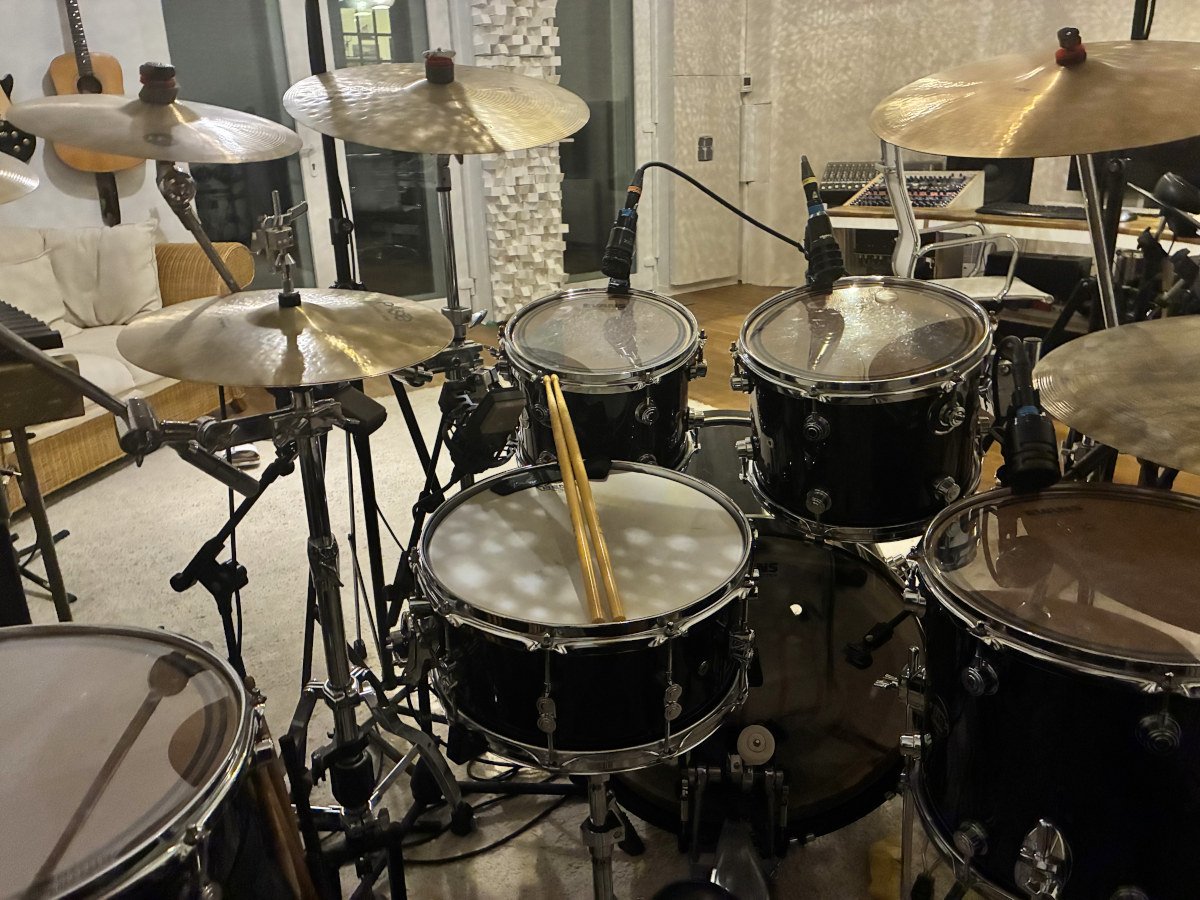
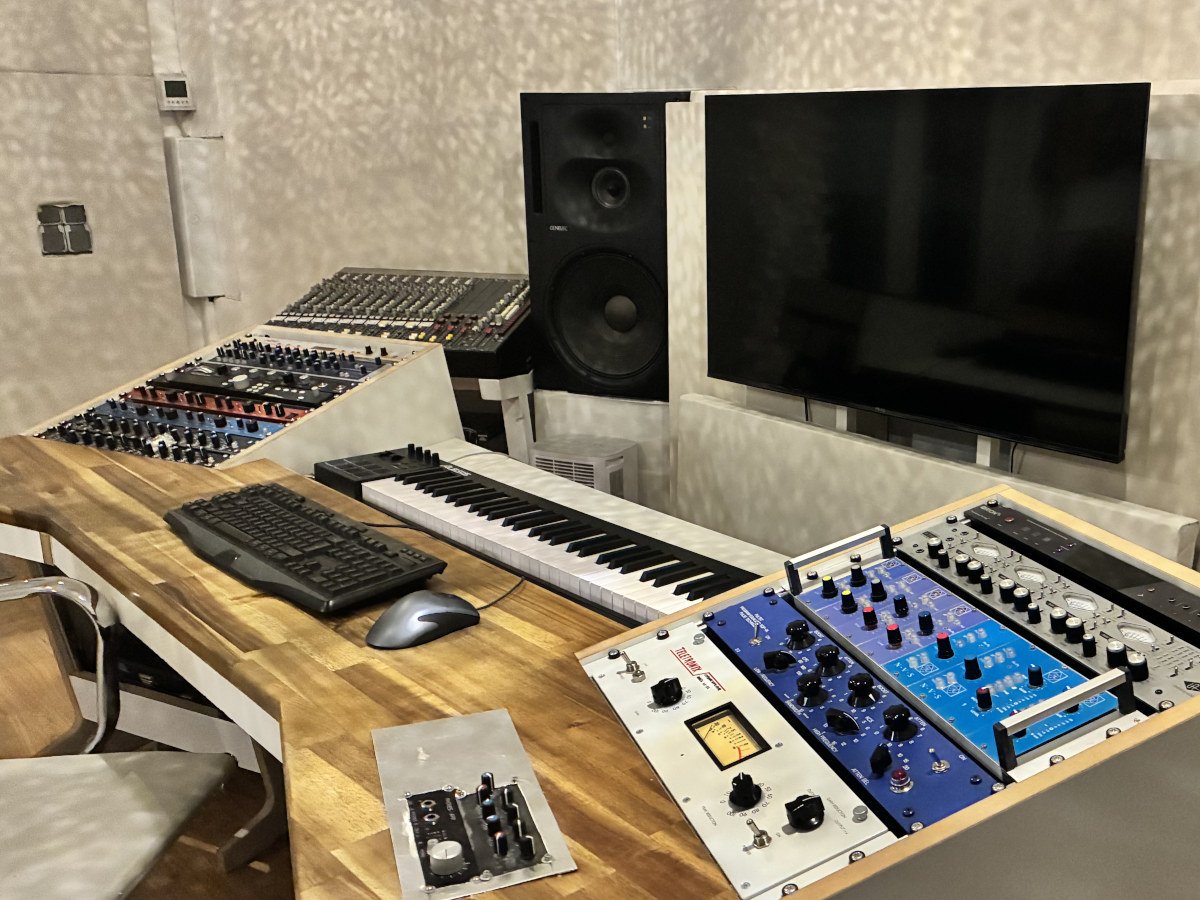
Parallel werden mit einem Pulsoximeter Herzfrequenz und Blutsauerstoffsättigung jede Sekunde aufgezeichnet. Es entsteht eine Tabelle mit Vitalwerten und den dabei gehörten Klängen. Ziel ist es, über die Korrelation der Daten von Musik und Vitalwerten Erkenntnisse über möglichst entspannende Musik zu gewinnen. Alle Klänge mit Ausnahme der Naturgeräusche wurden in 5Monde hergestellt. Für das Coding der Software und Hilfe bei der Konstruktion der Hardware (Raspberry Pi / Hifi Berry / Stream Deck / Nonin Pulsoximeter) geht tiefer Dank an Holger Brunn. Alle Klangdaten sind in 96 kHz und 24 Bit hoch aufgelöst. Das Beispiel hier ist aufgrund der Dateigröße hingegen eine .mp3-Datei mit entsprechend deutlichem Verlust an Audioqualität. Außerdem ist das Beispiel hier randomisiert – die Kombinationen sind zufällig und es gibt keine Stummschaltungen. Das Beispiel dient dazu, einen Eindruck zu bekommen, ist also näherungsweise repräsentativ.